
Hairstyles
11 Protective Pixie Hairstyles for Black Women
On this page
Short hair can still benefit from a protective routine. These protective pixie hairstyles for Black women focus on low manipulation, covered ends, gentle shaping, and styles that let you enjoy your cut without constantly brushing, stretching, or applying heat.
A pixie cut is not automatically protective because the hair remains exposed around the sides and neckline. Think of the ideas below as low-manipulation ways to wear a pixie, and pair them with moisture, satin at night, and a light hand around the edges.
1. Mini Two-Strand Twist Pixie
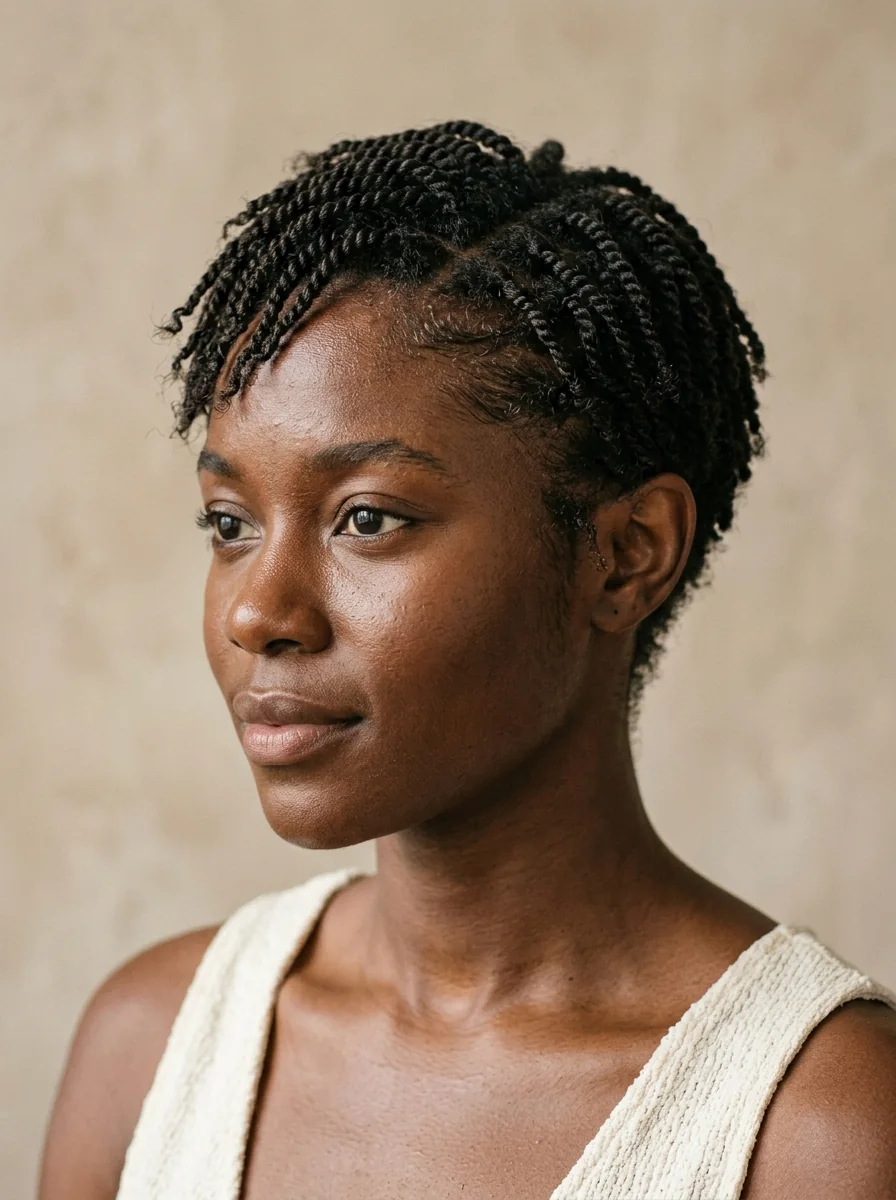
Leave the crown long enough to divide into small two-strand twists while keeping the sides and nape neatly tapered. The twists protect the longer top from daily combing and create soft definition when you take them down.
Use a leave-in conditioner and a small amount of cream before twisting, then let the hair dry completely. Keep the twists loose at the root so the short perimeter stays comfortable and the style does not pull on the hairline.
2. Flat-Twist Crown Pixie
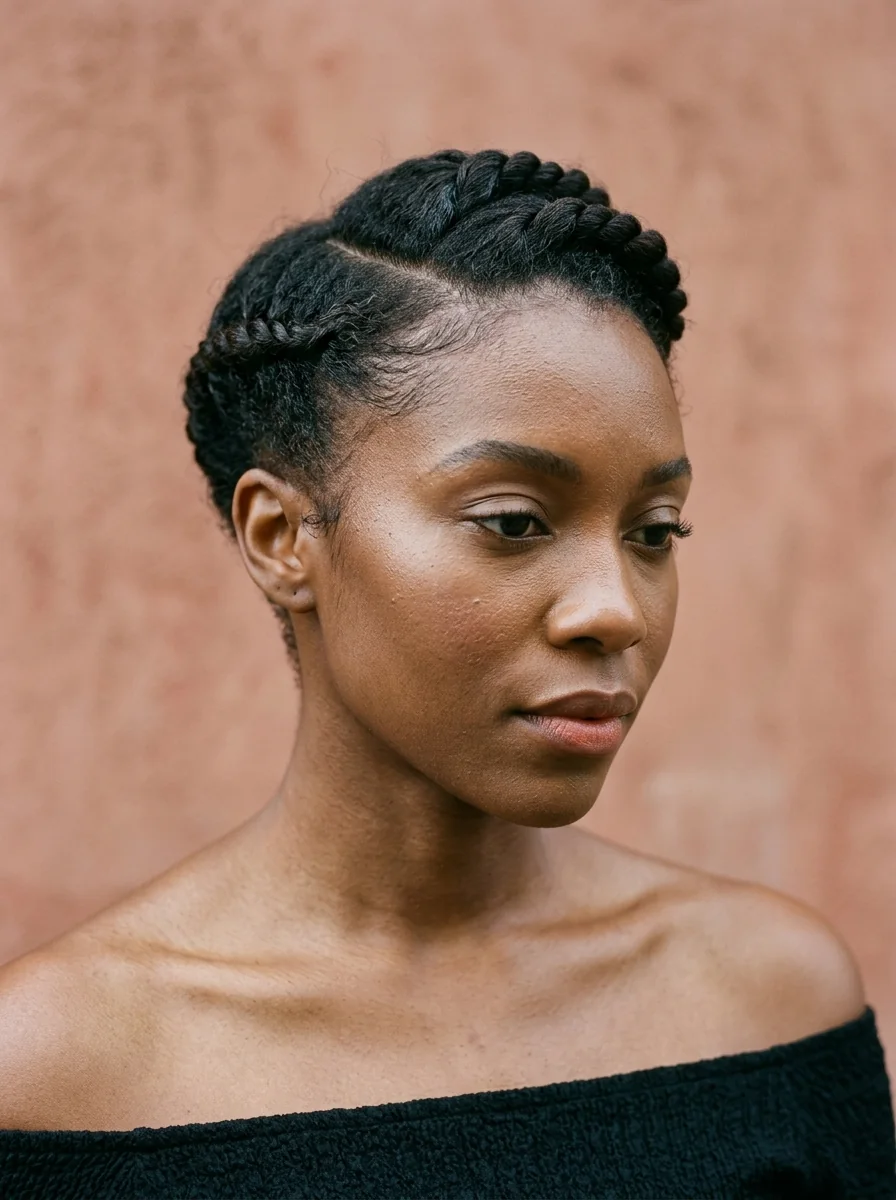
A flat-twist crown places two or more flat twists across the longer top of the pixie while the sides remain close and clean. The result gives the haircut direction and keeps the top organized without asking you to reshape it every morning.
Twist from the part toward the opposite side, or create two curved rows that follow the shape of the head. Finish the ends with a soft coil or tuck them under the next twist so there are no loose pieces that need repeated handling.
3. Finger-Coiled Tapered Pixie

A finger-coiled pixie uses a styling cream or gel to form small, even coils through the crown and front. The sides and nape stay tapered, so the contrast between the close perimeter and defined top makes the cut look intentional.
Work on damp hair in small sections and turn each piece around your finger in the direction you want it to dry. Once the coils set, leave them alone and refresh only the areas that actually lose definition instead of reworking the whole head.
4. Soft Mini-Twist Pixie With a Side Part
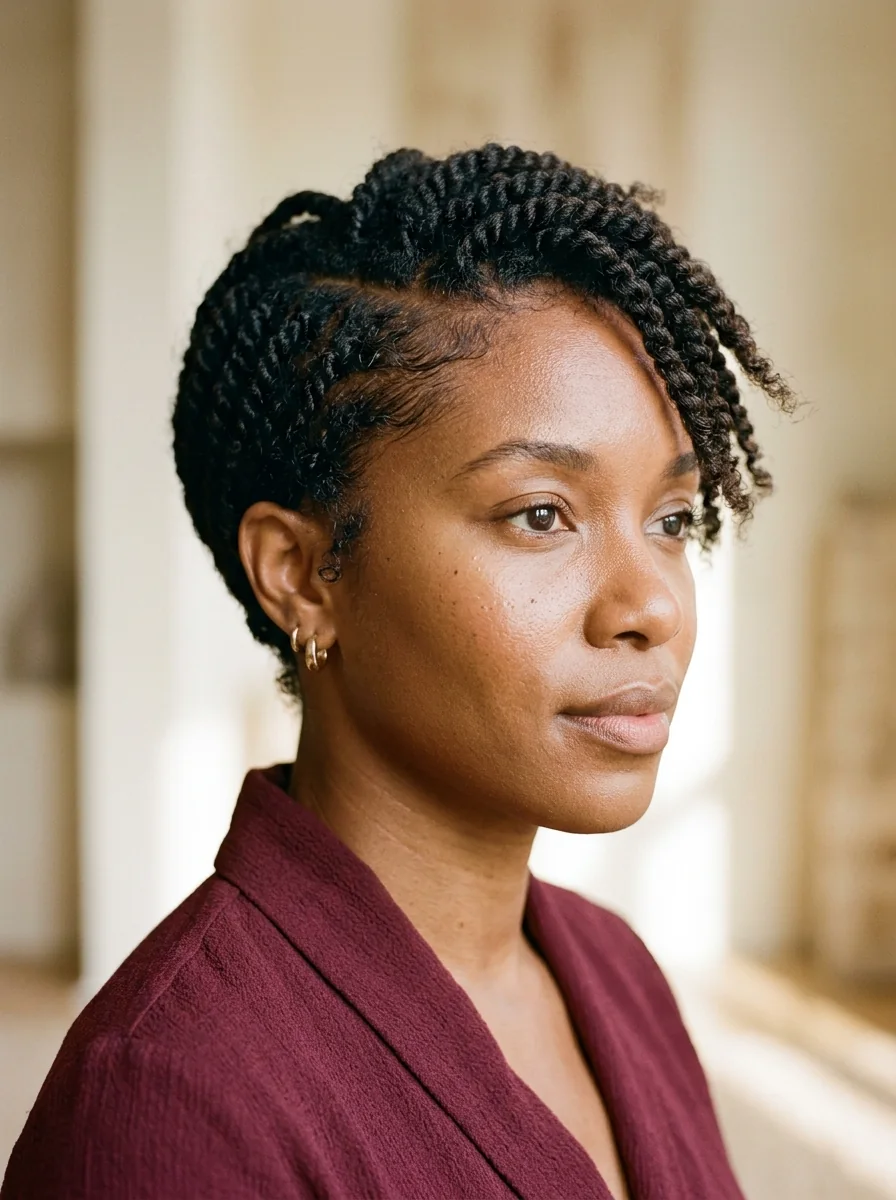
Create a deep side part and fill the longer side with medium-sized mini twists that angle toward the forehead. The side part gives a short haircut a new shape, while the twists reduce the need for daily brushing and heat.
Keep the twists slightly chunky if your hair is fine or fragile, because very tiny sections can take more time and cause more handling. Sleep in a satin scarf and gently separate a few twists only when you want a fuller finish.
5. Braided Pixie Top
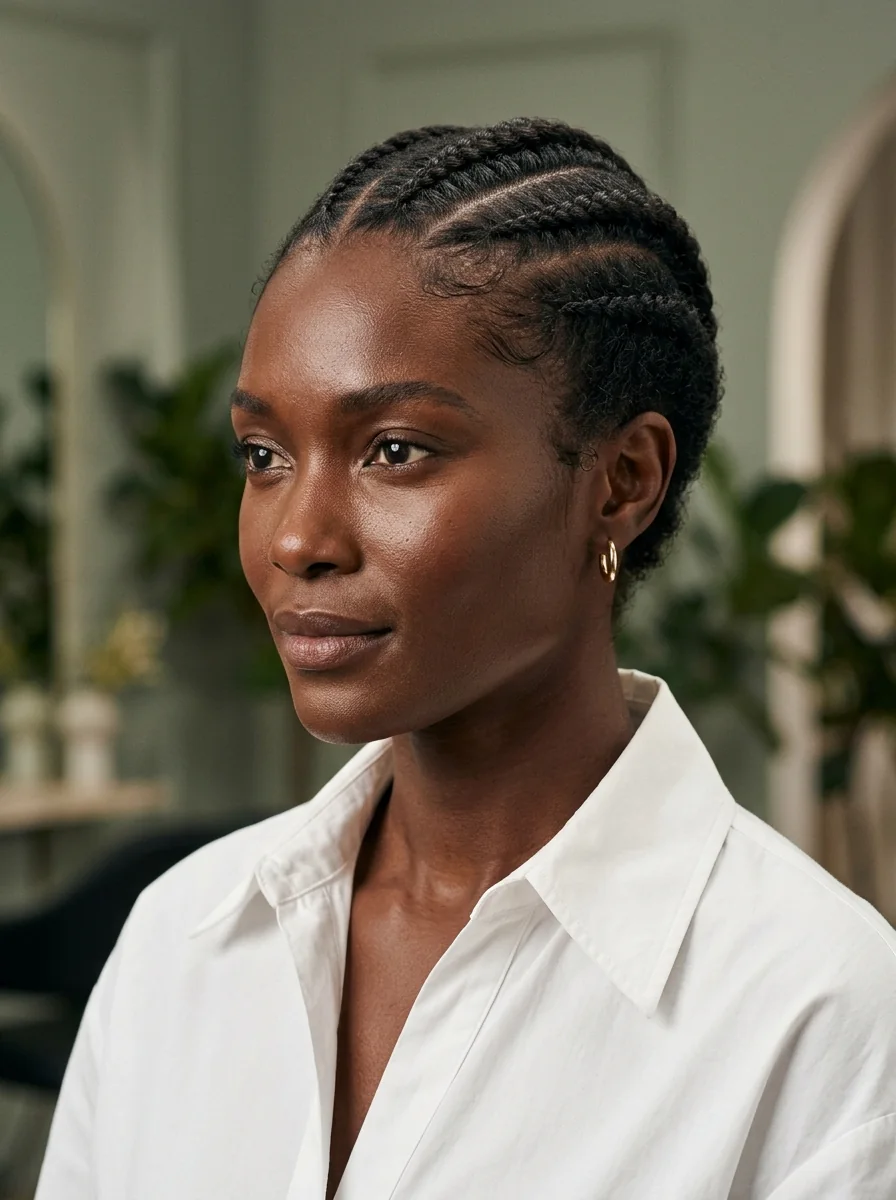
A braided pixie top uses a few small cornrows or feed-in-style rows across the crown, with the sides and back left tapered. The braids can run straight back, curve toward a side part, or meet in a small pattern above the nape.
Ask for a light, comfortable grip rather than a tight braid that pulls at the temples. The style works best when the braided section is removed and washed on a regular schedule instead of being left in until the hair feels dry or the scalp becomes uncomfortable.
6. Satin-Wrapped Pixie Wave

Set the top and front of the pixie into soft waves, then wrap the hair with a satin scarf so the shape stays close while you sleep. The wrapped finish works on straightened, relaxed, or naturally stretched hair and gives the cut a smooth, polished outline.
Use a light setting product instead of layering on heavy grease, which can make the hair stiff and difficult to refresh. In the morning, unwrap the scarf, smooth the sides with your hands, and add only a small amount of product where the wave needs support.
7. Sponge-Coil Tapered Pixie
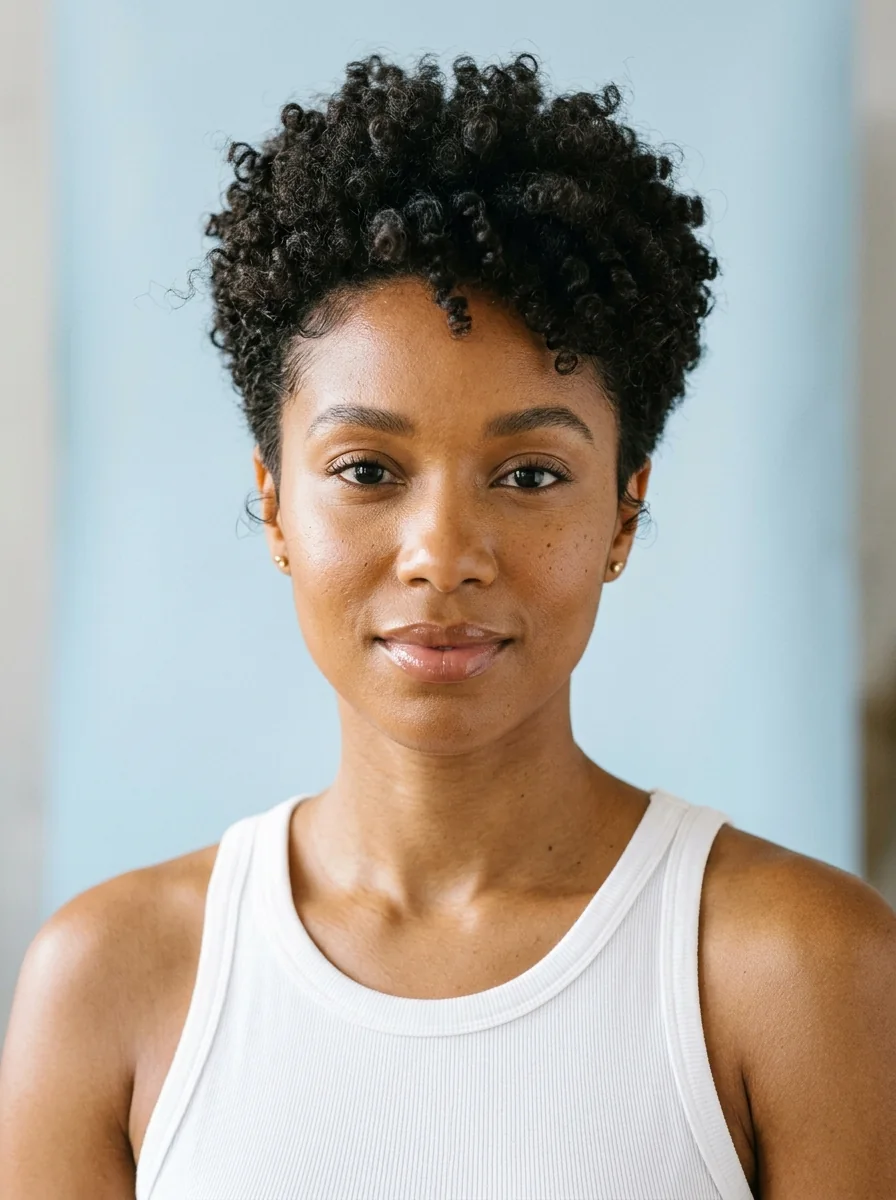
A sponge-coil pixie leaves the crown long enough for small coils while the sides and neckline are tapered close. The texture gives the haircut height and movement without requiring a brush to pass through the hair each day.
Apply product to damp hair and use the sponge briefly with a light circular motion. Stop once the coils form, because excessive rubbing can create tangles and dryness around the shorter sections.
8. Twist-and-Tuck Pixie

The twist-and-tuck pixie uses a few larger twists across the crown and tucks their ends close to the head with small pins. It creates a softly gathered shape that keeps the ends of the longer top contained for a special event or a few low-manipulation days.
Choose pins with smooth tips and place them under the twists instead of pressing them against the scalp. Remove the style slowly, loosen the twists with your fingers, and moisturize before deciding whether the hair needs a full restyle.
9. Low-Profile Headband Pixie

Wear the longer top of the pixie in its natural texture and place a wide satin-lined headband just behind the hairline. The band holds the front away from the face and adds a finished detail while reducing the urge to brush the edges repeatedly.
Choose a band that stays in place without feeling tight around the temples. A soft cotton or satin-lined option is more comfortable than a narrow elastic band, especially when you plan to wear the style for several hours.
10. Tapered Wash-and-Go Pixie
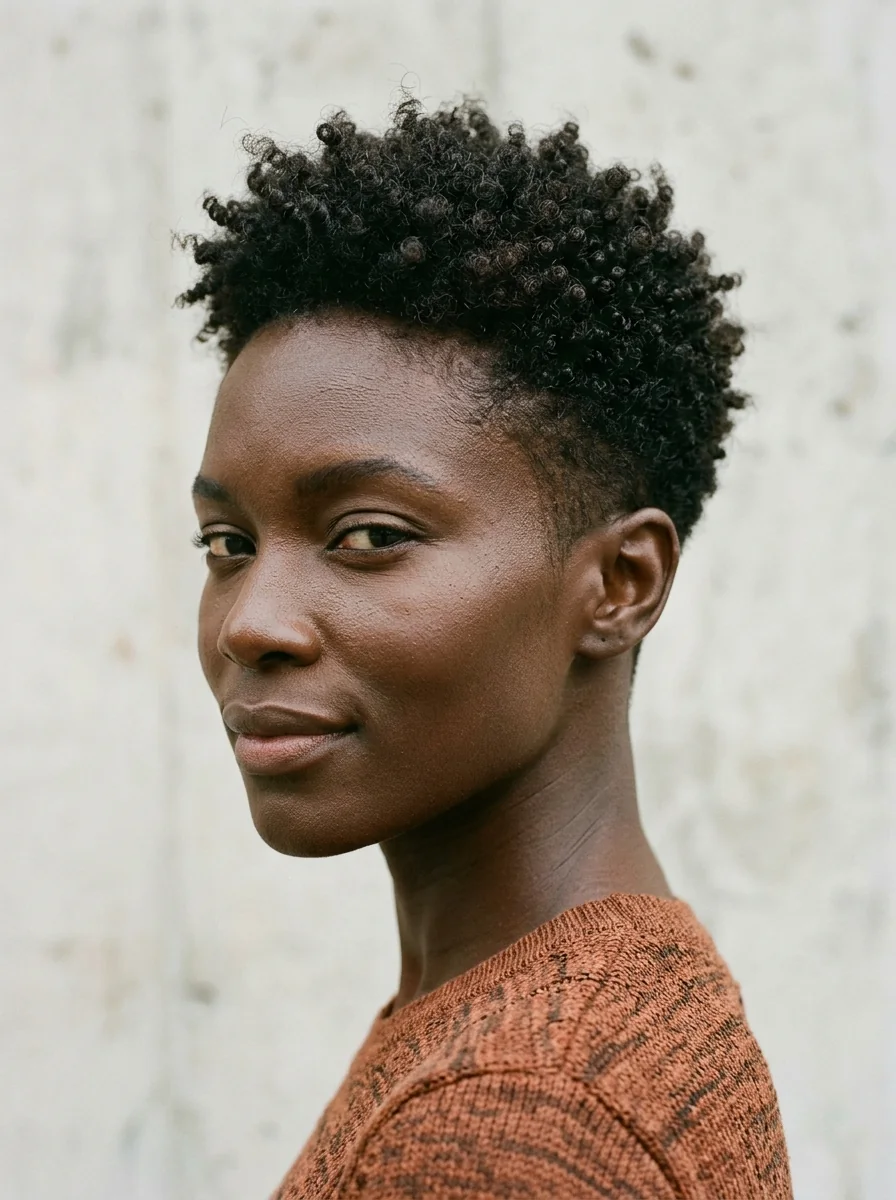
A tapered wash-and-go keeps the crown in its natural curl or coil pattern while the sides and nape are shaped into a clean, short outline. It is one of the simplest options because the haircut supplies the structure and the texture supplies the detail.
Apply leave-in conditioner and a light defining product, then let the hair air-dry or use a diffuser on a low setting. Once dry, fluff only at the roots if you want height and avoid separating every coil by hand.
11. Scarf-Tied Textured Pixie
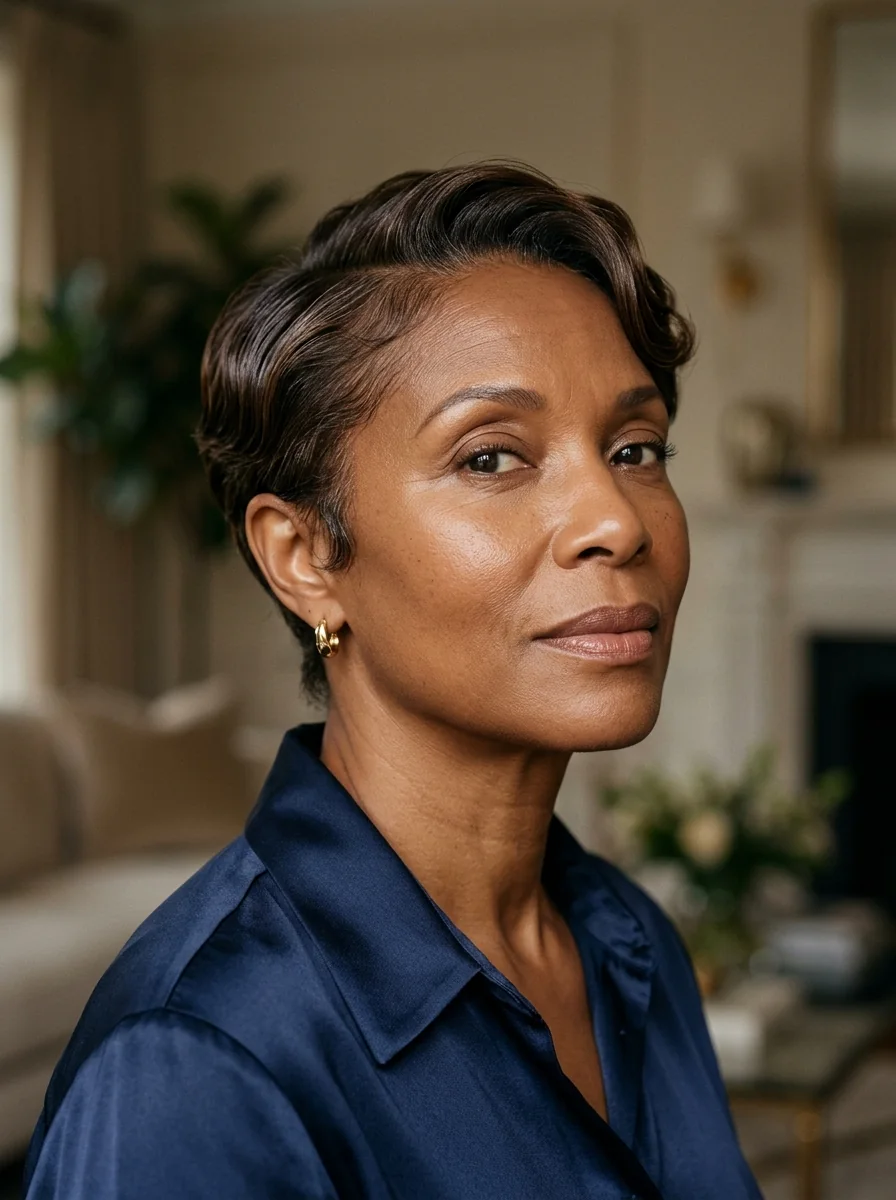
Tie a satin or silk scarf across the front of a textured pixie, leaving the crown or back visible in its natural shape. This creates a neat accessory-led style that protects the hairline from constant touching and gives a simple crop a completely different mood.
Fold the scarf wide enough to cover the front without placing pressure on the edges. Change the position from one wear to the next and keep the knot loose so the same area is not stressed every day.
How to keep a short protective style healthy
Moisture and gentle handling matter more than how elaborate the style looks. Cleanse the scalp regularly, condition the hair, and use a satin or silk covering at night to reduce friction.
Pay attention to tension around the temples, nape, and hairline. If a twist, braid, band, or pin causes soreness, loosen it immediately and give the area a break before trying another style.
For more shape ideas, browse our guide to pixie cut hairstyles for Black women and compare the texture-focused options in our coily pixie hairstyles guide. You can also find simple everyday options in hairstyles for short hair.
The best protective pixie is one that feels comfortable enough to leave alone. Choose a style that respects your hairline, matches your routine, and lets your natural texture look good without constant correction.
Frequently asked questions
Is a pixie cut protective for natural Black hair?
A pixie cut is not automatically a protective style because the ends are still exposed.
It can become lower manipulation when you keep the hair moisturized, limit daily brushing and heat, and use gentle styles such as twists, coils, or a satin wrap.
How do I protect a short pixie cut while sleeping?
Cover the hair with a satin or silk scarf, bonnet, or pillowcase and avoid tying it tightly.
If the top is twisted or coiled, use a light hold product and smooth the style gently in the morning instead of restyling it from scratch.
Can I wear a protective pixie style on relaxed hair?
Yes, relaxed hair can be set in a low-manipulation pixie style with wraps, finger waves, or soft twists.
Keep the hairline gentle and avoid repeated tight tension, especially if the hair has also been colored or heat styled.